


When you participate in an ayahuasca ceremony in Manu and hear the sacred icaros of the master healer resonating in the darkness of the maloca, you rarely stop to ask yourself:
How did this shaman come to possess such power and wisdom? What kind of life has he lived to be able to hold ceremonial spaces with such mastery? What sacrifices has he made to receive the teachings he now shares?
The life of an authentic ayahuasca shaman, particularly in the Shipibo-Conibo traditions of Peru, is radically different from what most people imagine. It is not a career chosen casually or a degree obtained in weekend workshops. It is a path of total dedication, extraordinary sacrifice, and a lifelong commitment to spiritual service that few in the modern world can fully comprehend. At Ikaro, we work exclusively with master healers like Munay, whose lives fully embody this sacred tradition. Understanding their path will help you appreciate the depth of what they are offering when you sit in ceremony.
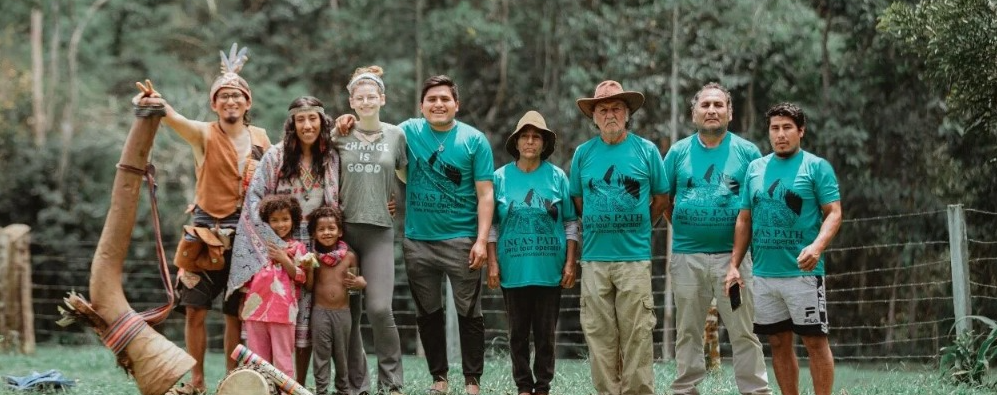
Each ceremony that Munay facilitates carries the weight of generations of knowledge passed down from grandfather to grandson
The Calling: How a Shaman’s Life Begins
The life of an ayahuasca shaman rarely begins with a conscious decision to become a healer. More often, it begins with a calling—an unexplained illness, powerful recurring dreams, or a series of synchronicities that gradually make it clear that the spirits are inviting the person onto this path.
In the Shipibo-Conibo communities of Manu, many shamans report experiencing severe childhood illnesses that conventional doctors could not cure. It was only when a healer worked with them that healing occurred, and often that healer identified that the child had a “gift”—a natural predisposition for spiritual work—and that the illness was indeed a calling from the spirits.
Munay, our principal healer, recounts that his life as a healer began at the age of twelve when he started having vivid dreams in which jungle plants spoke to him directly, teaching him their names, properties, and songs. His grandfather, also a respected shaman, recognized these dreams as unmistakable signs that the boy was being called to continue the family lineage of healers.
Other shamans describe being «chosen» during ayahuasca ceremonies where they had clear visions of their future as healers, or where the spirits of master plants spoke to them directly about their destiny. This spiritual calling is not something that can be easily ignored; those who try to resist it often experience ongoing difficulties in life until they finally accept the path the spirits are showing them.
The Diets: The Heart of Shamanic Training
Once the calling is recognized and accepted, the most challenging aspect of a shaman-in-training’s life begins: the master-plant diets. These diets are unlike anything Western participants experience when preparing for ceremonies. They are extended periods of isolation, deprivation, and intensive spiritual practice that literally rebuild the practitioner’s energy body.
A traditional master-plant diet can last from several months to several years. During this time, the shaman-in-training lives completely isolated in the jungle, usually in a simple hut without electricity, human company, or distractions of any kind. Complete solitude is integral to the process, creating the inner space where the plants can teach without interference.
The diet during these periods is extraordinarily restrictive. Typically, the dieter consumes only boiled green plantains, sometimes white rice, and water, with no salt, sugar, oils, spices, or any distracting flavors. This dietary monotony is not punishment but spiritual technology: by eliminating all sensory stimulation of the palate, consciousness becomes more attuned to subtle dimensions of reality.
In addition to dietary restrictions, the diets of shamans in training involve complete sexual abstinence, not only from the act of sex but even from sexual thoughts as much as possible. This conservation of sexual energy is seen as crucial for accumulating the spiritual power necessary for the work of a healer.
During the diet, the practitioner drinks specific preparations of the master plant they are working with—it could be chiric sanango, bobinsana, ajo sacha, toé, or dozens of other plants. These plants do not necessarily produce dramatic visionary experiences like ayahuasca, but they work deeply on more subtle levels, teaching the dieter about their medicinal properties, their spirits, and how to work with them in future ceremonies.
Munay has completed several extensive diets of different master plants throughout his life, some lasting six months or more. Each diet taught him new icaros, new diagnostic methods, and deepened his connection to the spiritual world. This extraordinary dedication is what distinguishes a true master healer from facilitators with superficial training.
The Daily Life of an Active Shaman
Once a shaman has completed enough diets and has been recognized by their teacher and community as ready to lead ceremonies, their daily life is organized entirely around spiritual service.
Shamans who actively work with ayahuasca typically maintain less strict but consistent diets. Many permanently avoid red meat, alcohol, and frequent sexual activity, not just before specific ceremonies. This constant discipline keeps their bodies and energy fields in the state of purity necessary to work with sacred medicine regularly.
A shaman’s daily life includes significant time spent preparing medicines. Ayahuasca itself requires a laborious process of gathering the right plants at the appropriate time, careful cleaning, cooking for hours or days, and ceremonial preparation that includes chanting and prayer. It is not merely a technical task but a sacred process that requires full intention and presence.
Shamans also dedicate regular time to working with individual plants outside of group ceremonial contexts. Munay, for example, spends several days each month in the rainforest collecting medicinal plants, conversing with them (literally—shamans speak to plants as sentient beings), and renewing his connection with the plant spirits that are his primary allies in healing work.
The family life of shamans can be complex. Their spiritual responsibilities frequently take them away from home for extended periods, whether for secluded retreats or to travel facilitating ceremonies. This can create tension in relationships, especially if the spouse does not share or fully understand the shamanic path.
Some shamans hold additional regular jobs—farming, construction, crafts—to supplement their income from ceremonial work. In traditional Amazonian communities, healers do not become wealthy from their spiritual work; they receive modest compensation that reflects the value of the service without commercial exploitation.
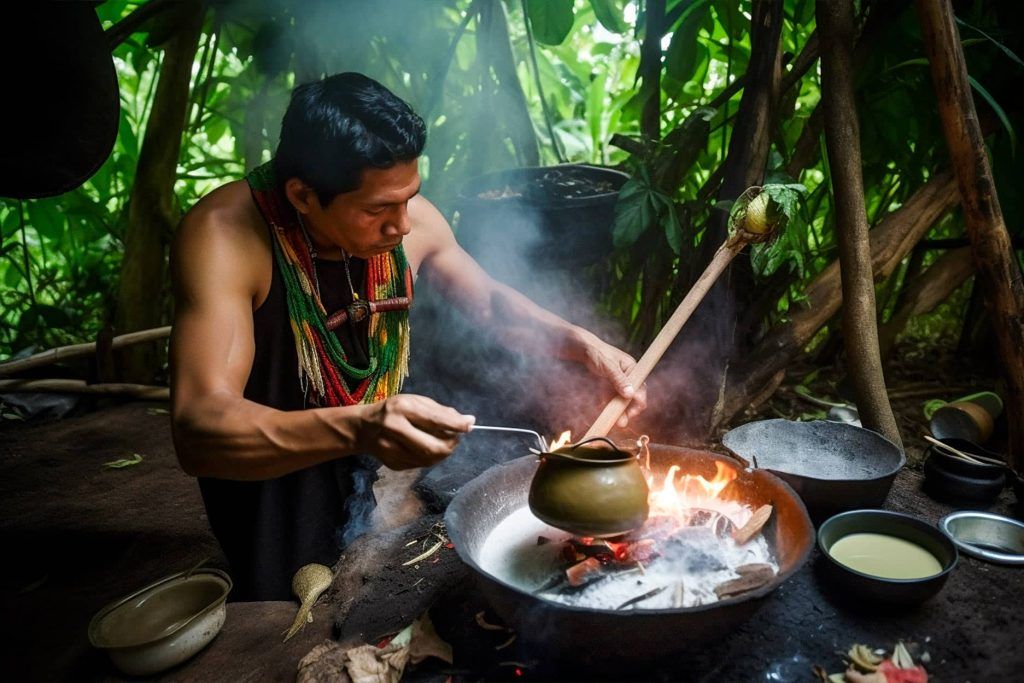
The life of a shaman: decades of rigorous diets, profound sacrifice, and sacred service to ancestral medicine
The Challenges and Dangers of Shamanic Life
The life of an ayahuasca shaman is neither romantic nor easy. It involves extraordinary challenges and real dangers that most people would never willingly face.
Spiritual Attacks:
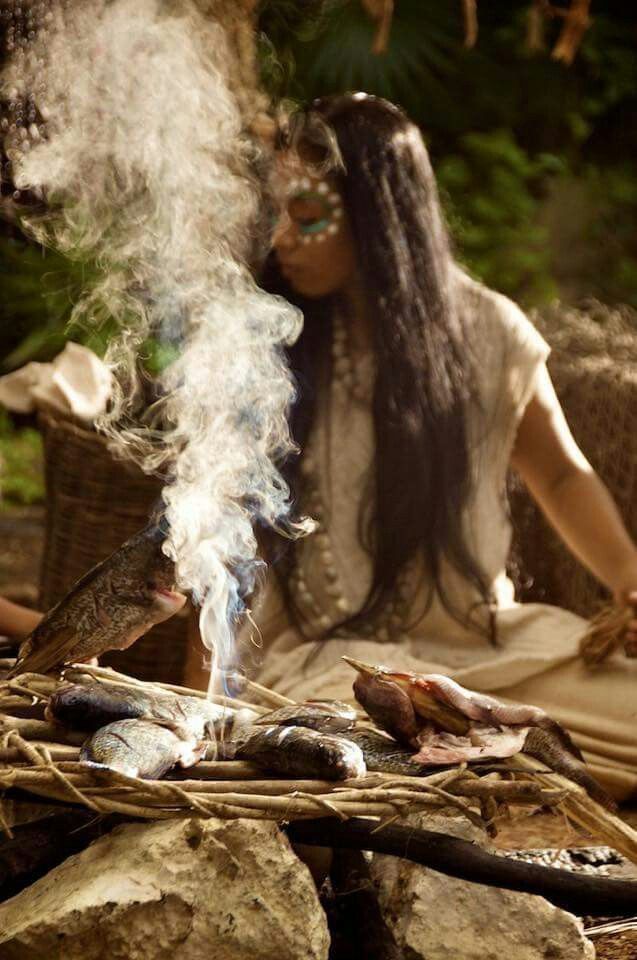
The life of a master healer is about protecting ancestral traditions while maintaining safe spaces for profound transformation.
In Amazonian cosmology, not all spirits are benevolent, and not everyone who works with spiritual power does so with pure intentions. Shamans speak of «brujos»—practitioners who use spiritual knowledge to harm rather than heal—and of energetic attacks that can cause actual physical illness.
Part of a shaman’s life involves constantly defending themselves against these negative forces, protecting their patients and ceremonial participants, and occasionally engaging in what might be called «spiritual battles» in unseen dimensions. This aspect of shamanic work is exhausting and carries genuine risks to the healer’s health and well-being.
Munay recounts several occasions in his life when he faced severe spiritual attacks that left him physically ill for weeks. Only his own deep training and the support of other healers enabled him to recover. This dimension of shamanic life is rarely discussed with Western participants, but it is absolutely real in the lived experience of healers.
Energy Burden:
Working with people who bring deep traumas, serious illnesses, or very dense energies is emotionally and energetically draining. Shamans frequently absorb, even if only temporarily, the negative energies they are clearing from the participants. This requires them to dedicate significant time after ceremonies to their own cleansing and recovery.
Many shamans experience periods of physical illness after particularly intense ceremonies where they worked with difficult cases. This transfer of negative energy is not metaphorical but experienced as real physical symptoms that require days or weeks to fully process and release.
Social Pressure and Misunderstandings:
In the modern world, shamans navigate tensions between maintaining ancestral traditions and adapting to Western expectations. Some face criticism from their own communities for working with outsiders, while simultaneously being misunderstood by Western participants who project their own romanticized ideas of what a shaman «should» be.
The life of a shaman can also attract the wrong kinds of attention. People seeking power instead of healing, individuals with severe psychiatric issues who shouldn’t participate in ceremonies, or those who see the shaman as a «dealer» of psychedelic experiences rather than a sacred spiritual servant. Navigating these dynamics requires wisdom, firmness, and sometimes the painful decision to turn away people who are asking for help.
The Dimension of Service: Why Shamans Do This Work
Given the extreme difficulty of the shamanic life, the question naturally arises: why would anyone choose this path? The answer lies in the dimension of service that is absolutely central to the identity of an authentic healer.
Genuine shamans are not in this work for money, fame, or personal power. They are responding to a deep spiritual calling to serve their community and humanity at large. They have received extraordinary gifts from the master plants, and with those gifts comes the sacred responsibility to share them with those who need healing.
Munay often says that his life doesn’t belong entirely to himself; It belongs to medicine and to the people medicine seeks to reach through it. This humility and sense of purpose beyond the individual ego is characteristic of authentic master healers.
Many shamans also speak of the profound satisfaction of witnessing genuine transformations. When someone arrives at a ceremony carrying decades of trauma and leaves free, when an illness that doctors couldn’t treat resolves, when someone regains their will to live—these moments of witnessed healing justify all the sacrifices of the shamanic life.
The Transmission of Knowledge: Training the Next Generation
An important part of a mature shaman’s life is identifying and training the next generation of healers. This transmission process is crucial for keeping the tradition alive in a world where economic and cultural pressures constantly threaten to erode ancestral knowledge.
Shamans carefully observe young people in their communities, looking for signs of the «gift»—natural spiritual sensitivity, visionary dreams, or natural inclinations toward healing work. When they identify someone with potential, they may invite them to begin the long training process.
This transmission doesn’t happen in classrooms or through manuals. It is oral, experiential, and deeply personal. The teacher guides the apprentice through diets, teaches icaros by blowing them directly into the student’s energy body, shares plant knowledge through walks in the jungle, and constantly models how a healer should live and behave.
Munay is currently training two of his sons and several young people from his community, ensuring that the lineage of knowledge he inherited from his grandfather will continue for future generations. This responsibility of transmission is seen as an integral part of the life of any senior shaman.
The Life of a Shaman in the Context of Spiritual Tourism
The lives of Amazonian shamans have changed significantly with the rise of spiritual tourism in recent decades. This transformation brings both opportunities and complex challenges.
Economically, working with international groups can provide more substantial income than working alone within local communities. This allows some shamans to dedicate themselves full-time to spiritual work instead of dividing their time with farming or other jobs. For families in impoverished Amazonian communities, this can make a significant difference in quality of life.
However, spiritual tourism also introduces pressures that can compromise authenticity. There is a temptation to «perform» shamanic roles that satisfy romanticized Western expectations rather than maintaining the integrity of the tradition. Some individuals without proper training present themselves as shamans to capitalize on growing demand, diluting and distorting authentic traditions.
Genuine shamans like Munay navigate these tensions by firmly maintaining their roots in tradition while adapting superficial aspects—such as offering explanations in Spanish for participants who don’t speak native languages, or providing basic amenities that facilitate participation for people unaccustomed to jungle conditions—without compromising the essence of the ceremonial work.
At Ikaro, our model for working with master healers fully respects their autonomy and spiritual authority while providing the support infrastructure that allows their work to reach international audiences without exploitation or cultural appropriation.
Balancing Worlds: Living in Two Realities
Perhaps one of the most challenging aspects of a modern shaman’s life is maintaining a balance between the intense spiritual world they inhabit during ceremonies and diets, and the demands of the everyday material world.
Shamans must learn to «switch channels» between perceiving multidimensional spiritual realities populated by plant and animal spirits, and navigating practical realities such as paying bills, raising children, or dealing with government bureaucracies. This constant switching between different modes of perception can be disorienting and exhausting.
Many shamans also experience social isolation. Their perceptions and experiences are so different from those of ordinary people that it can be difficult to find someone to talk to about meaningful aspects of their lives. Only other healers truly understand the complexities of living simultaneously in spiritual and material dimensions.
Final Reflection: Honoring the Shaman’s Life
Understanding the life of an ayahuasca shaman—the extraordinary sacrifices, decades of dedication, real dangers, and unwavering commitment to service—should fundamentally transform how you approach ceremonies.
When Munay sings his icaros in the darkness of the maloca in Manu, he is not simply performing. He is channeling decades of rigorous training, knowledge passed down through generations, and spiritual power accumulated through countless hours of diet, isolation, and dedicated practice. He is risking his own energetic well-being by working with your traumas and blockages. He is fulfilling a sacred calling that has completely defined his life.
This recognition should inspire deep gratitude, absolute respect, and a serious commitment to your own part of the process—following the diet properly, approaching with humility, and honoring the teachings received by genuinely integrating them into your life.
At Ikaro, we feel deeply privileged to work with master healers whose lives fully embody the sacred tradition they facilitate. Their dedication makes your transformation possible. Their sacrifice creates the space where your healing can flourish. And their wisdom, gained through a lifetime of practice, guides you toward versions of yourself you can scarcely imagine.
The next time you participate in a ceremony, take a moment before it begins to silently acknowledge the extraordinary life of the shaman who is about to hold this sacred space for you. That life of dedication is the gift that makes your own transformation possible.





Leave A Reply