


The Amazon rainforest harbors one of the most extraordinary and least understood treasures on our planet: a vast repertoire of entheogenic plants that native peoples have used for millennia as portals to profound dimensions of healing, knowledge, and spiritual connection. These sacred plants, far from being merely psychoactive substances, are living teachers that have guided countless generations in their quest for understanding, balance, and transformation. At Ikaro, we invite you to discover this sacred botanical universe in the heart of Manu National Park, where the ancestral wisdom of the Amazon rainforest remains alive and accessible to those who approach it with respect and humility.
What Are Entheogenic Plants?
The term «entheogen» comes from Greek and literally means «to generate the divine within» or «to become divine within.» Unlike recreational drugs, entheogenic plants are used specifically in ceremonial and spiritual contexts to facilitate experiences of transcendence, healing, and connection with deeper dimensions of reality and human consciousness.
In the Amazonian worldview, these plants are not seen as inert objects containing chemical compounds, but as conscious beings with their own spirits, plant teachers who choose to share their knowledge with human beings. This perspective, which may seem metaphorical to the Western mind, is fundamental to understanding how native Amazonian communities relate to plant medicine.
The entheogenic plants of the Amazon have been used in healing ceremonies, initiation rites, vision quests, diagnosis of illnesses, connection with ancestors and nature spirits, and as tools for learning about the natural world. Their use is always framed within carefully structured ritual contexts, guided by experienced healers who have dedicated years or decades to learning how to work with these sacred medicines.
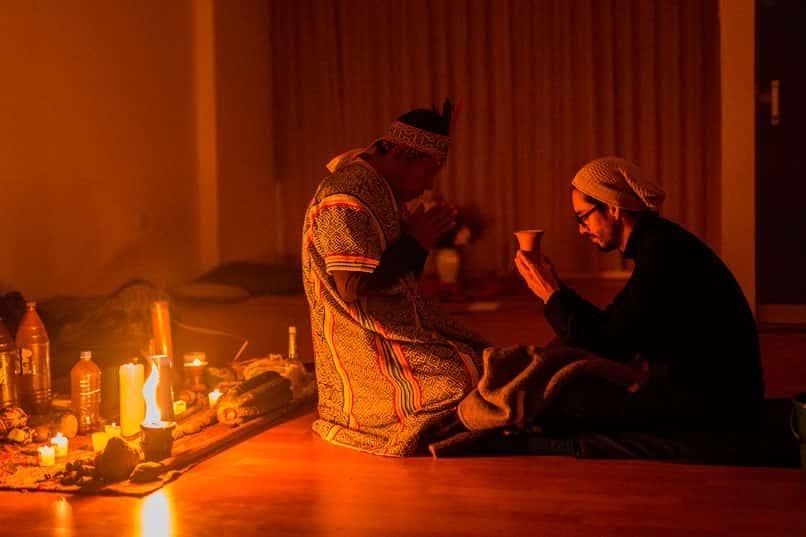
Ancestral ayahuasca ceremony: jungle medicine that heals body, mind, and spirit
Ayahuasca: The Principal Master Plant
Among all the entheogenic plants of the Amazon, ayahuasca occupies a central place. Known as «the medicine» or «the master plant» par excellence, ayahuasca is actually a preparation that combines two main plants: the Banisteriopsis caapi vine and the leaves of the Psychotria viridis shrub (known as chacruna).
This combination of plants is extraordinary from a scientific point of view. Banisteriopsis caapi contains MAO inhibitors that allow the DMT present in Psychotria viridis to be orally active. How did the Amazonian peoples discover this specific combination among the tens of thousands of plant species in the rainforest? The traditional answer is simple: the plants themselves taught the healers.
Ayahuasca is used in nighttime ceremonies where participants drink the preparation under the guidance of a master healer who sings icaros, sacred songs, to direct the work of the medicine. The experiences can include profound visions, physical and emotional cleansing, encounters with spiritual beings, and revelations about life patterns that need healing or transformation.
In Manu, where Ikaro facilitates ceremonies with authentic Shipibo-Conibo healers, ayahuasca is prepared according to traditional methods that have been refined over generations. The preparation process is itself ceremonial, involving chants, specific intentions, and a deep respect for the plants that are offering their medicine.
Sacred Tobacco: Mapacho
Amazonian tobacco, known as mapacho (Nicotiana rustica), is fundamentally different from commercial tobacco. These sacred tobacco plants contain much higher concentrations of nicotine and other alkaloids and are used exclusively in ceremonial contexts by experienced healers.
In Amazonian traditions, mapacho is not smoked casually but is used as a powerful ceremonial tool. Healers blow mapacho smoke over participants to cleanse negative energies, protect sacred space, and facilitate deeper spiritual connections. The smoke from these plants is considered a messenger that carries prayers and intentions to the spirits.
Mapacho is also used in the form of snuff, a powder blown through the nose to cleanse and focus the mind, open energy channels, and prepare the body to receive other medicines. This application of powdered plants is an ancestral practice that requires expert knowledge to be administered correctly.
During ayahuasca ceremonies in Manu, our master healers use mapacho as an essential complement to the work. The sacred smoke of these plants creates a protective atmosphere and facilitates expanded states of consciousness that allow ayahuasca to work more deeply.
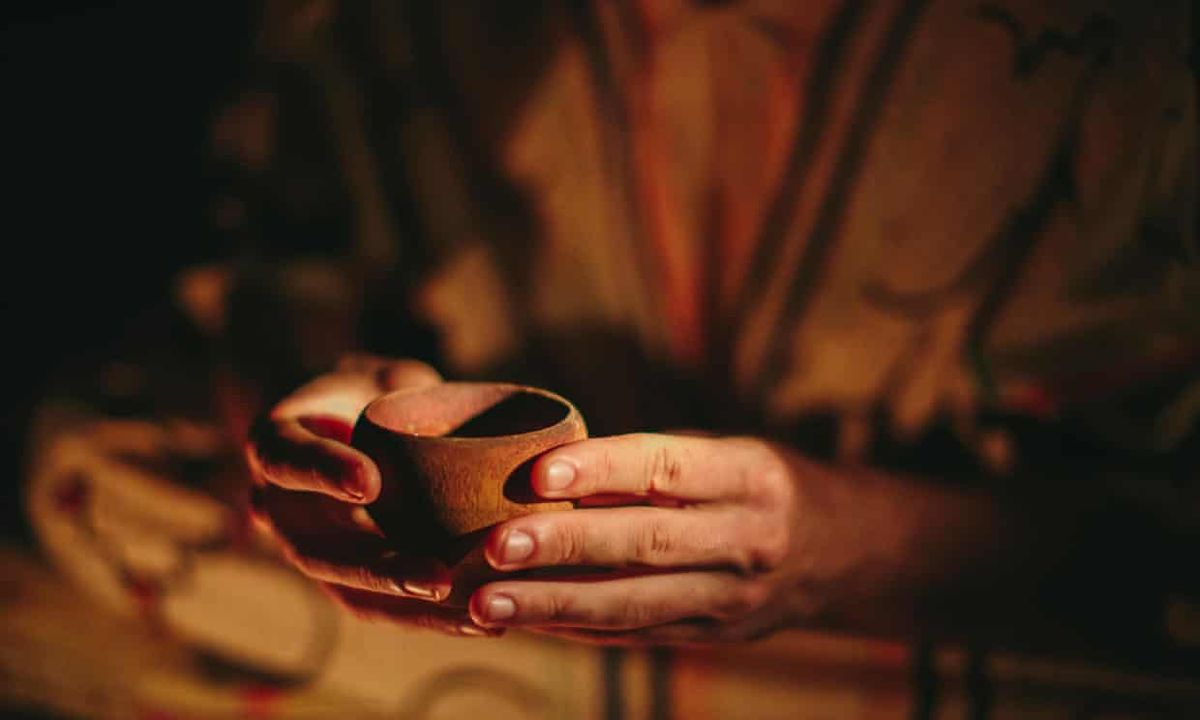
Where plant wisdom meets the seeker: authentic ceremonies in sacred territory
Toé: The Plant of Profound Visions
Toé (species of Brugmansia and Datura) is one of the most potent and respected entheogenic plants of the Amazon. These plants contain extremely powerful tropane alkaloids and are used only by highly experienced healers in very specific contexts.
Unlike ayahuasca, which is consumed in group ceremonies, toé is generally administered individually in plant diets that can last for weeks or months. Healers who work with toé do so to receive profound teachings, develop specific healing abilities, or diagnose complex illnesses.
Respect for these plants is absolute in the native communities of the Amazon. Healers warn that toé is not for beginners or casual use; its power is so great that it can cause severe disorientation if not used correctly. The visions induced by these plants can last for days and reveal knowledge that completely transforms the healer’s understanding of reality.
Chiric Sanango and Other Dietary Plants
Beyond the entheogenic plants that produce dramatic visions, the Amazon is home to numerous master plants that are worked with through «diets»—periods of isolation, dietary restriction, and regular consumption of specific plant preparations.
Chiric sanango (Brunfelsia grandiflora) is one of these highly respected dietary plants. While it doesn’t produce intense psychedelic visions, working with chiric sanango in a diet is said to develop energetic sensitivity, strengthen the spiritual body, and teach patience and resilience. Healers who have completed chiric sanango diets report a deepened connection to the spirit world and enhanced diagnostic and healing abilities.
Other important dietary plants include bobinsana for emotional strength, ajo sacha for protection and clarity, and camalonga for clearing negative energies. Each of these plants has its own specific teachings and requires particular preparation and consumption protocols.
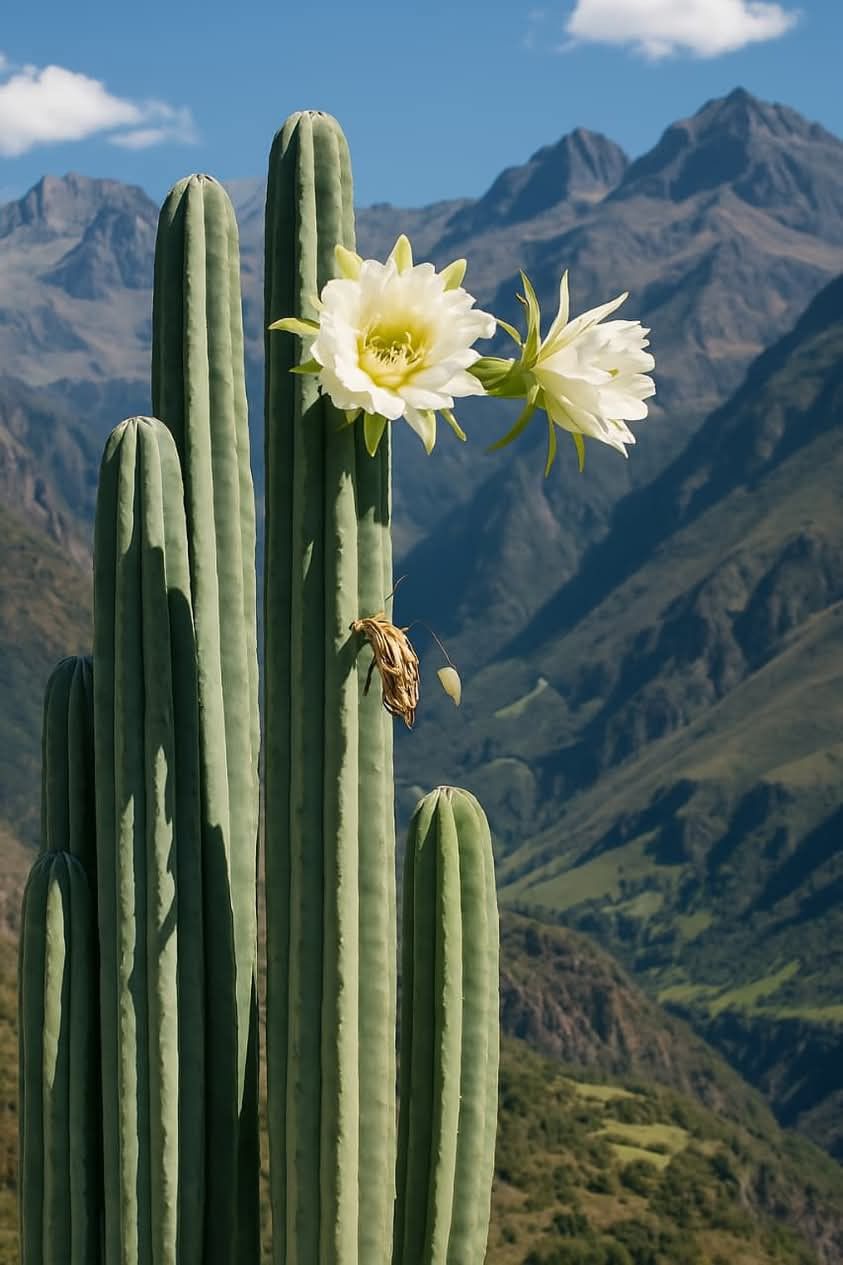
Entheogenic plants of the Amazon
San Pedro and Huachuma: Sacred Plants of the Andes
Although not strictly Amazonian, the San Pedro (Echinopsis pachanoi) and huachuma cactus plants are fundamental to Andean entheogenic traditions that intertwine with Amazonian practices in regions like Cusco.
These cacti contain mescaline and have been used ceremonially in the Andes for at least 3,000 years. Unlike ayahuasca, which is typically consumed at night, San Pedro ceremonies take place during the day, harnessing sunlight as an integral part of the experience.
San Pedro is known for producing experiences of profound connection with nature, heart opening, and mental clarity. Many practitioners describe the spirit of these plants as loving, gentle, and teaching, in contrast to the more challenging intensity that ayahuasca can present.
At Ikaro, we occasionally offer San Pedro ceremonies as a complement to ayahuasca ceremonies, particularly for participants who desire a gentler experience or who are beginning their journey with entheogenic medicines. The combination of working with Amazonian and Andean plants can offer a more comprehensive perspective on Peru’s sacred medicine traditions.
Chacruna and Chakruna: Plants of Light
Chacruna (Psychotria viridis), while a component of ayahuasca, deserves special attention as a master plant in its own right. In the Shipibo tradition, chacruna is said to be the plant that brings light and visions to the ayahuasca experience, while the Banisteriopsis caapi vine provides strength and structure.
Some healers work with chacruna in separate diets to develop their visionary abilities. Chacruna plants are seen as particularly generous teachers, willing to share their visual teachings with those who approach them respectfully.
There are also variations of similar plants used in different Amazonian regions, each with its own specific qualities. Knowing which variety of these plants to use in which circumstances is part of the expertise that distinguishes truly experienced healers.
The Importance of Context and Expert Guidance
The entheogenic plants of the Amazon are extraordinarily powerful tools that, when used appropriately in suitable ceremonial contexts, can facilitate profound healing and expansion of consciousness. However, they can also be dangerous if used without proper knowledge, adequate preparation, or expert guidance.
The difference between a transformative and a traumatic experience with these plants often depends on the set (mental and emotional preparation), setting (physical and social context), and the presence of experienced facilitators who know how to hold the ceremonial space and work with the emerging energies.
For this reason, at Ikaro we absolutely emphasize the importance of working with authentic native healers in their own territories. These healers possess not only intellectual knowledge about the plants, but also decades of practical experience working with them, guiding others, and navigating the immense variety of experiences that can arise.
Conservation and Sustainability
As global interest in Amazonian entheogenic plants grows, significant concerns about conservation and sustainability arise. Some master plants are being overharvested in certain regions, and traditional knowledge about how to cultivate and harvest them sustainably is at risk of being lost.
At Ikaro, we work only with communities that practice sustainable harvesting of medicinal plants. The master healers we collaborate with have a deep understanding of rainforest ecology and know how to take from the plants without harming populations or the wider ecosystem.
Furthermore, a portion of the proceeds from our ceremonies is invested in reforestation and master plant cultivation projects, ensuring that future generations have access to these sacred medicines. Preserving the plants is intrinsically linked to preserving the native cultures that know and protect them.
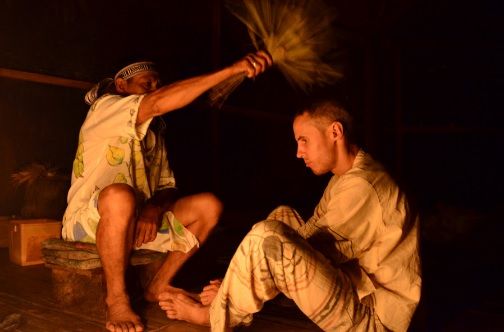
Entheogenic plants of the Amazon guiding profound transformations in the heart of the jungle
Final Reflection: Plants as Teachers
The entheogenic plants of the Amazon invite us to reconsider our relationship with the natural world. In a culture that often views nature as a resource to be exploited, these master plants remind us that the plant world possesses wisdom we can only begin to understand.
The native peoples of the Amazon have known this for millennia. They have cultivated relationships of mutual respect and reciprocity with the plants of their territory, receiving in return knowledge about healing, ecology, and spirituality that our modern civilization desperately needs.
When you participate in ceremonies with entheogenic plants in Manu through Ikaro, you are not simply consuming psychoactive substances. You are being welcomed into an ancestral dialogue between humans and plants, between seekers and teachers, between the known and the mysterious.
This dialogue is best conducted with humility, respect, and the guidance of those who have dedicated their lives to learning the language of plants. We invite you to approach these sacred medicines with reverence, to listen to what they have to teach you, and to honor the extraordinary gift they represent.
In the green heart of the Amazon, the master plants await. Their medicine is ancient, their wisdom profound, and their invitation remains open to those who approach with a sincere heart and pure intention.





Leave A Reply