

In a world where spiritual experiences have been commercialized to the point of losing their essence, there is a world of difference between participating in a tourist ayahuasca ceremony and being welcomed into the sacred space of a native Amazonian community. This distinction is not merely semantic; it represents the difference between a superficial experience and a genuine transformation that honors millennia of ancestral wisdom. At Ikaro, our fundamental commitment is to connect you with authentic native healers in the heart of Manu National Park, where sacred medicine is practiced as it has been for countless generations.
Why Is Working with Native People Crucial?
Ayahuasca is not simply a psychoactive brew that anyone can prepare following an internet recipe. It is a sacred medicine whose knowledge has been passed down through generations within specific native communities of the Amazon. The Shipibo-Conibo, Asháninka, Yawanawa, and other Indigenous peoples have been the guardians of this wisdom for longer than written history can record.
When you participate in a ceremony with Indigenous healers, you are not simply drinking a substance; you are being received into a complete spiritual lineage. Indigenous masters understand ayahuasca not as a drug or therapeutic tool, but as a living being, a master spirit with whom they have cultivated a deep relationship throughout their lives. This relationship cannot be replicated by Western facilitators who have taken weekend workshops or completed quick «certifications.»
The difference is evident in every aspect of the ceremony. An Indigenous healer knows exactly which additional plants to include in the ayahuasca preparation based on the specific needs of the group. They know the icaro chants not as learned melodies, but as healing tools passed down by their ancestors and the spirits of the rainforest. Understand the energetic complexities of sustaining a sacred space for hours of intense ceremonial work.
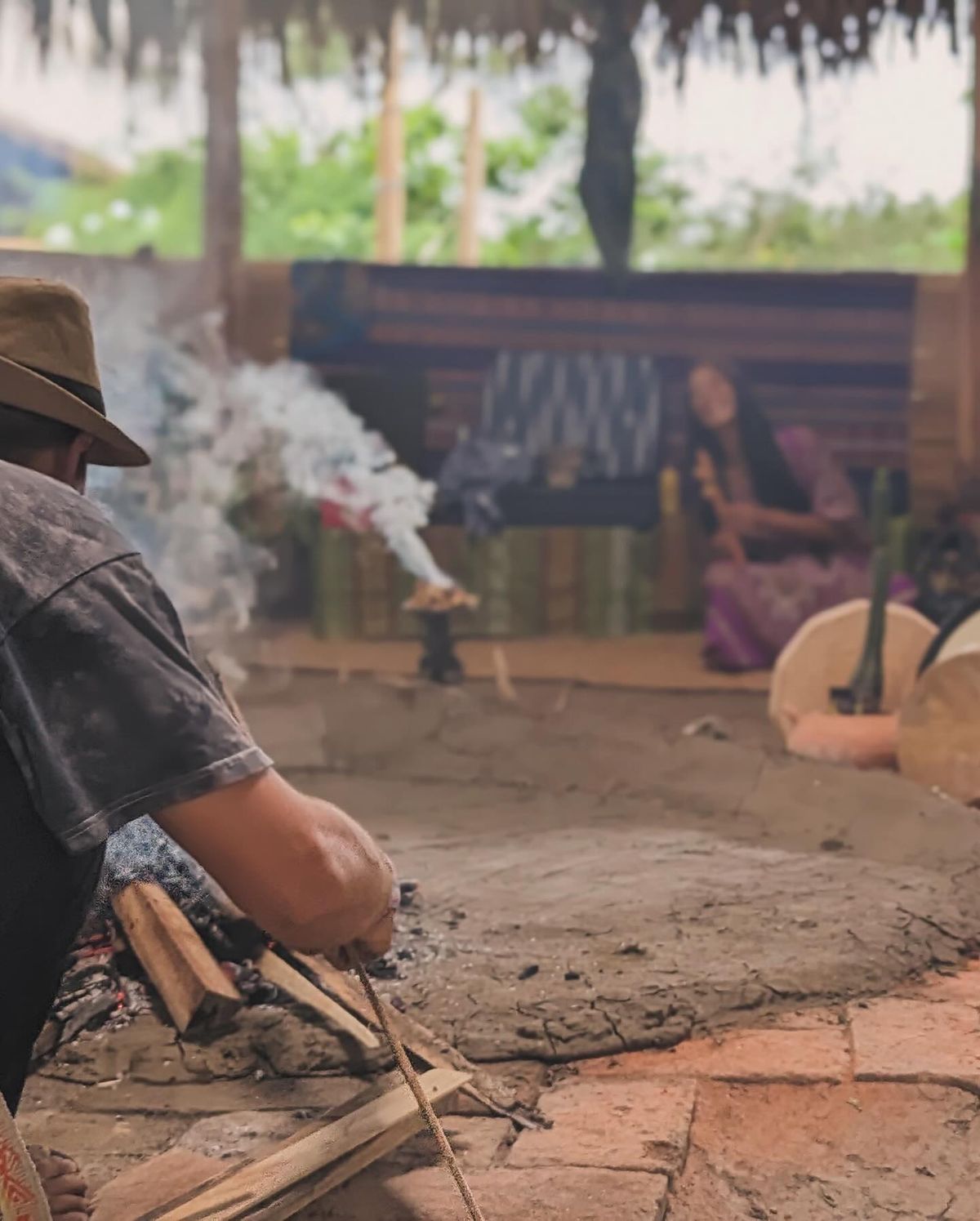
Authentic ceremonies guided by native Shipibo-Conibo master healers in the heart of Manu
Native Worldview and Sacred Medicine
For the native communities of the Amazon, ayahuasca does not exist in isolation. It is part of a complete worldview where everything in the rainforest is interconnected, where plants have spirits, where dreams are as real as waking life, and where healing encompasses dimensions that Western medicine is only beginning to recognize.
The native healers we work with at Ikaro have been trained in this worldview since childhood. They have not «studied» ayahuasca; they have grown up with it, observed their grandparents preparing it, participated in plant diets for months or years, and developed an intimate relationship with the spirits of the rainforest that guide the ceremonial work.
This traditional training includes extended periods of isolation in the jungle, strict diets of specific master plants, and direct apprenticeship from teachers who, in turn, learned from their teachers in an unbroken lineage stretching back in time beyond our reach. It is a path of sacrifice, dedication, and personal transformation that cannot be reduced to a certificate or credential.
When Munay, our Shipibo-Conibo master healer in Manu, sings his icaros during the ceremony, he is channeling not only his own experience but the accumulated wisdom of his entire lineage. Every melody, every vocal pattern, every pause has a precise meaning in the native spiritual language he has learned through decades of practice.
The Importance of Native Cultural Context
Participating in an ayahuasca ceremony with native people in their own territory is not only more «authentic» in a romantic sense; it is fundamentally more effective and safer. Native healers operate within a cultural context that deeply understands how this medicine works, what precautions to take, how to handle spiritual emergencies, and how to facilitate integration after the experience.
In Amazonian communities, ayahuasca is consumed within a shared framework. Everyone in the community understands what the medicine is, what to expect, and how to support those going through the process. This collective knowledge creates a safe space that is difficult to replicate in Western or urban contexts.
Furthermore, holding the ceremony in native territory, in the heart of the Manu Amazon rainforest, adds layers of meaning and power that are impossible to recreate elsewhere. The rainforest itself participates in the process. The nocturnal sounds of animals, the flow of the river, the humidity in the air, the density of the vegetation—all these elements are integral to the traditional ayahuasca experience.
Many participants who travel with Ikaro report that feeling the living presence of the jungle during the ceremony dramatically deepens their experience. They are not in a retreat center designed for tourists; they are in the ancestral home of medicine, where the spirits of the plants are strongest and most accessible.
Respect and Reciprocity with Native Communities
Working directly with communities also raises important ethical questions. For decades, the ancestral knowledge of Indigenous peoples has been extracted, appropriated, and commercialized by outsiders without any benefit to the communities themselves. This form of spiritual colonialism continues to harm communities while enriching Western facilitators.
At Ikaro, we are committed to a model of genuine reciprocity. When we organize ayahuasca ceremonies in Manu, we work in direct partnership with families and communities. The traditional healers receive fair compensation for their sacred work. A portion of each ceremony fee is reinvested in the communities, supporting education, cultural preservation, and traditional medicine projects.
This model of mutual respect benefits everyone. Participants receive an authentic experience guided by true experts. The communities maintain control over their sacred knowledge and receive economic support that allows them to continue their traditions. And the medicine itself is honored by being practiced within its appropriate cultural context by Indigenous people who have the ancestral right to share it.
Furthermore, by choosing ceremonies facilitated by healers in their own territories, you are voting with your money for the preservation of threatened cultures. Native communities in the Amazon face enormous pressures: deforestation, encroachment on their territories, loss of languages, and cultural erosion. Respectful spiritual tourism can be a powerful force for protecting both the rainforest and the cultures that inhabit it.
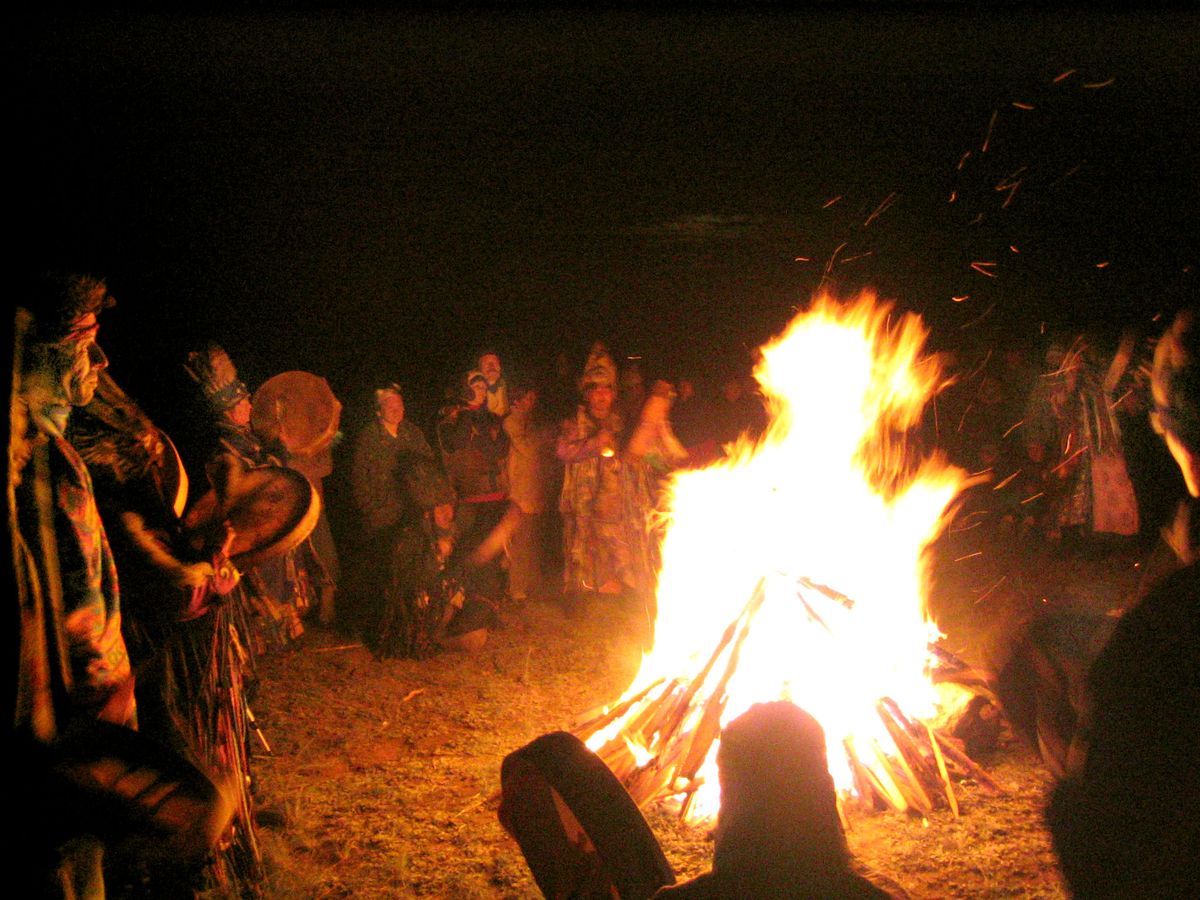
A transformative experience with the native peoples of Manu: authenticity that heals deeply
The Native Healer Ceremony Experience
How exactly does a ceremony led by native healers differ from other options available on the market? The differences begin even before the ceremony starts.
A traditional native healer will typically want to meet with you individually before the ceremony. Munay, for example, sits down with each participant to understand their history, their intentions, and their physical and emotional state. This is not a Western medical assessment of «contraindications»; it is a deep energetic reading that only someone trained in the traditions can perform. Based on this assessment, the healer can adjust the ayahuasca dosage for each person, add specific plants to the mixture, or even recommend additional preparation if they feel someone isn’t ready. This personalization is possible only because healers possess an intimate knowledge of hundreds of medicinal plants and their interactions.
During the ceremony itself, the presence of a genuine healer is palpable. Their energy, forged through years of rigorous diets and spiritual training, sustains the ceremonial space. The icaros they sing are not simply beautiful songs; they are precise invocations that direct the medicine’s work in each participant.
Many participants describe feeling as if the healer’s chants literally «sculpt» their experience, taking them deeper or smoothing difficult moments as needed. This ability to «sing» the medicine through the participants’ bodies and spirits is one of the most extraordinary capacities of traditional healers.
The masters are also adept at reading each participant’s subtle cues. They know when someone needs individual attention, when it’s time to change the chant, when to offer Florida Water or sacred tobacco to redirect an experience. This level of sophisticated care comes from decades of practice and a deep connection with the medicine spirits.
Safety and Authenticity in Native Ceremonies
A common concern for many travelers is: how can I tell if a healer is truly native and authentic? Unfortunately, there are people who pose as native healers without the training or authorization from genuine communities.
At Ikaro, we have cultivated trusting relationships over the years with specific native families in Manu. Our master native healers not only belong to recognized Indigenous groups like the Shipibo-Conibo, but they can trace their lineage of healers back through generations. They are known and respected within their own communities, which is the true measure of authenticity.
Furthermore, working with experienced healers offers safety guarantees that less qualified facilitators cannot provide. The masters know exactly how to prepare ayahuasca safely, what contraindications to observe, and how to handle the full spectrum of experiences that can arise during the ceremony.
Munay, for example, has guided thousands of ceremonies during his more than thirty years of practice. He has seen virtually everything that can happen in a ceremony and knows exactly how to respond.
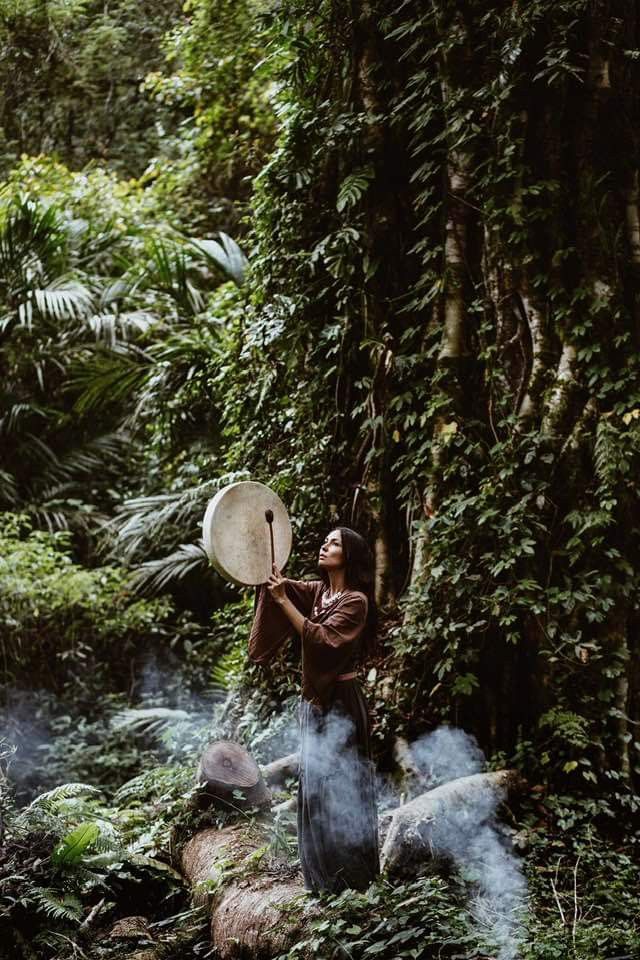
Where ancestral tradition lives: ayahuasca with native communities of the Peruvian Amazon
Final Reflection
Participating in an ayahuasca ceremony with native people is not simply one option among many; it is the most authentic, respectful, and transformative way to encounter this sacred medicine. The healers of the Amazon are the true experts, the guardians of a knowledge that our modern culture desperately needs.
In Manu, surrounded by the living rainforest, guided by master healers whose roots run deep in the earth and in tradition, you will experience ayahuasca as it was meant to be experienced. Not as a product for spiritual consumption, but as a sacred sacrament generously shared by peoples who have protected this wisdom for millennia.
Ikaro invites you to embark on this journey with humility, respect, and openness. To sit in a circle with native communities, to drink from the same cup that generations of healers have drunk from, and to allow the ancestral medicine, guided by expert hands, to show you paths of healing you never even knew existed.
This is the call of the wild, the call of medicine, the call to remember ancient forms of wisdom that can heal not only individuals but our broken relationship with nature and the sacred. Answer with reverence, and native medicine will welcome you with open arms.




Leave A Reply